


The Design Context
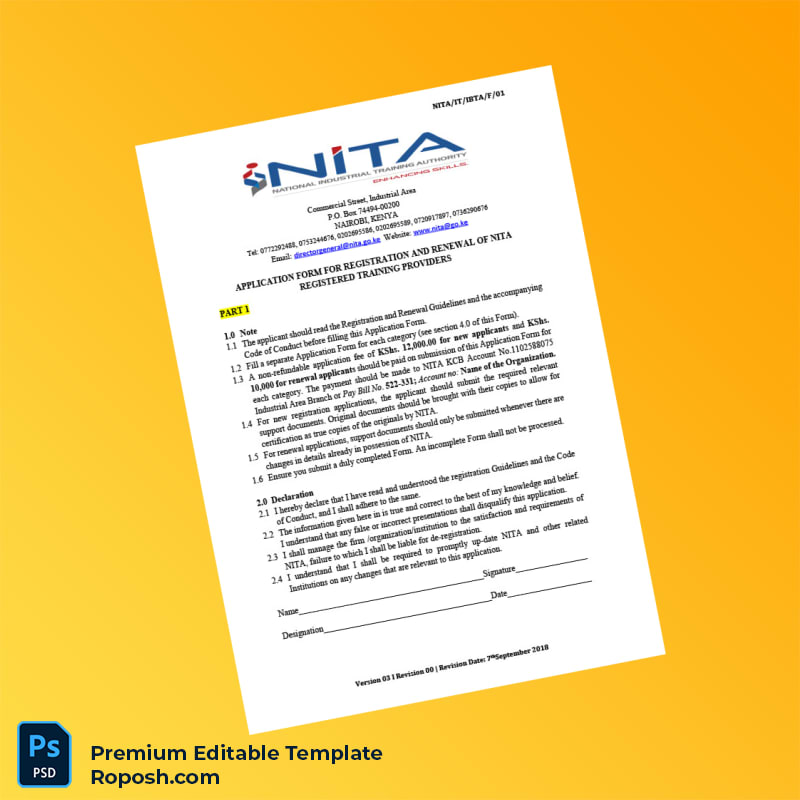
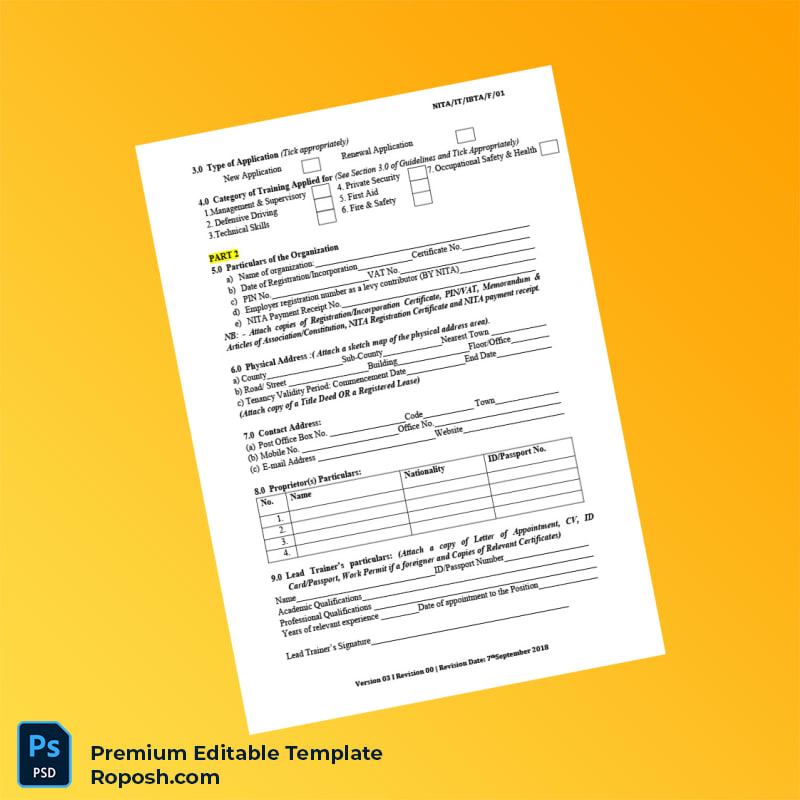
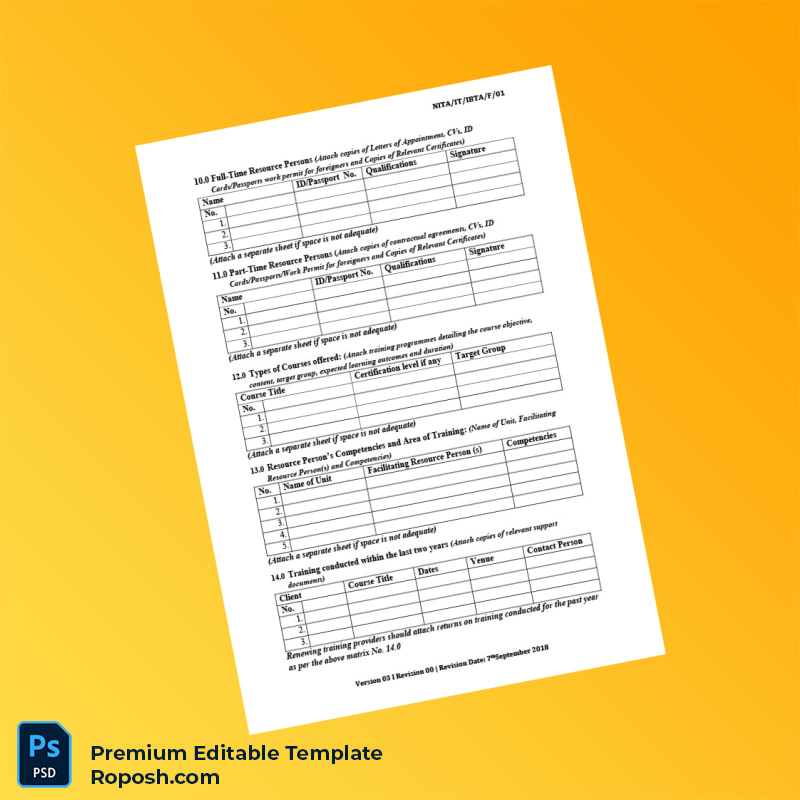
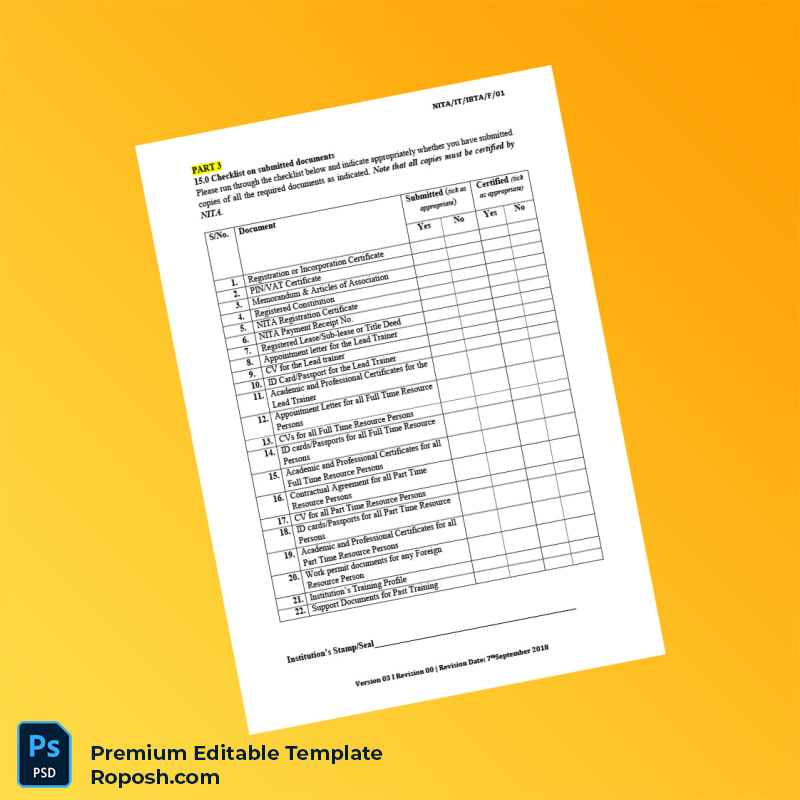
In the realm of professional design portfolios, educational documentation projects, and high-fidelity mockups, precision and clarity are paramount. Achieving pixel-perfect layouts for official forms such as the Kenya National Industrial Training Authority (NITA) application demands an asset that integrates accuracy with editable sophistication. Designers and print specialists often encounter challenges with templates that compromise on resolution or contain fuzzy details, undermining the credibility and legibility of critical documents. This Word-based, four-page customizable template addresses these requirements head-on, providing a legally compliant structure that emphasizes quality and design precision. Its clear sections and standardized dimensions support high-resolution outputs, which are essential for maintaining vector-sharp text borders and exact typographic consistency in both digital and print mediums.
Addressing Layout & Font Challenges
A significant hurdle when working with official application templates is ensuring all font types align perfectly with the original documents, preventing any mismatched typographic details. Additionally, inconsistent layer management can lead to blurry edges or distorted text borders upon export. This customizable template resolves these issues by employing precise font matching with embedded styles that preserve formatting integrity across editing software. The file features systematically organized layers for text fields, photo placeholders, and barcode zones, facilitating easy modifications without risking accidental overlay disruption. Such methodical layer arrangements also simplify incorporating elements like Machine Readable Zone (MRZ) structures, which require exact positioning and clarity. For further insight into design optimization in documentation contexts, review our guide on OCR-friendly Design.
Technical Specifications Deep Dive
The template boasts a resolution of 300 DPI, a professional standard high enough for sharp print outputs without overburdening system resources. It uses the CMYK color mode optimized for print precision, ensuring colors reproduce correctly on paper without unpleasant color shifts common in RGB files. The Word format facilitates Smart Object functionality through embedded editable text fields, preserving crisp vector edges and scalable graphic elements that retain flawless quality when resized. Vector layers maintain geometric shapes and borders with clear definition, critical for barcode clarity and text readability in registration forms. Layer compositions are locked intelligently to prevent accidental alterations while providing essential areas for customization. For complementing your project with additional editable assets, consider utilizing the Editable Utility Bill PSD from our related offerings.
Editing Workflow & Customization
Editing the document begins by selecting Word text layers generated with standard field placeholders, enabling accurate insertion of applicant information without disrupting the original layout grid. Photographic placeholders accept direct drag-and-drop image replacement, and they maintain resolution integrity through embedded placeholders. For specialized fields like the MRZ or barcode regions, the layout enforces a locked structure that supports standardized dimension adherence, avoiding any shift that could cause print inconsistencies or scanning errors. Users are advised to update text with exact character spacing, preserve the specific font style, and confirm no kerning alterations occur. This preserves vector-sharp text borders and overall document compliance. To expand your editable template collection for enhanced document projects, explore the Editable Latin American Educational Certificate Template featured among related products.
Exporting & Printing Best Practices
Once editing is complete, exporting the file as a high-resolution PDF ensures preservation of all vector elements and font clarity. PNG export is suitable for digital proofs but may not offer the same quality for print. When preparing for physical printing, select a matte, high GSM paper between 120-160 to replicate official document feel and enhance durability. Avoid glossy finishes, which may introduce glare and reduce text legibility. Confirm that print settings maintain 300 DPI resolution and CMYK color output. For completing your professional template suite with technical education certificates, visit our collection featuring the Editable Civil Engineering Diploma Certificate.


Reviews
There are no reviews yet.